
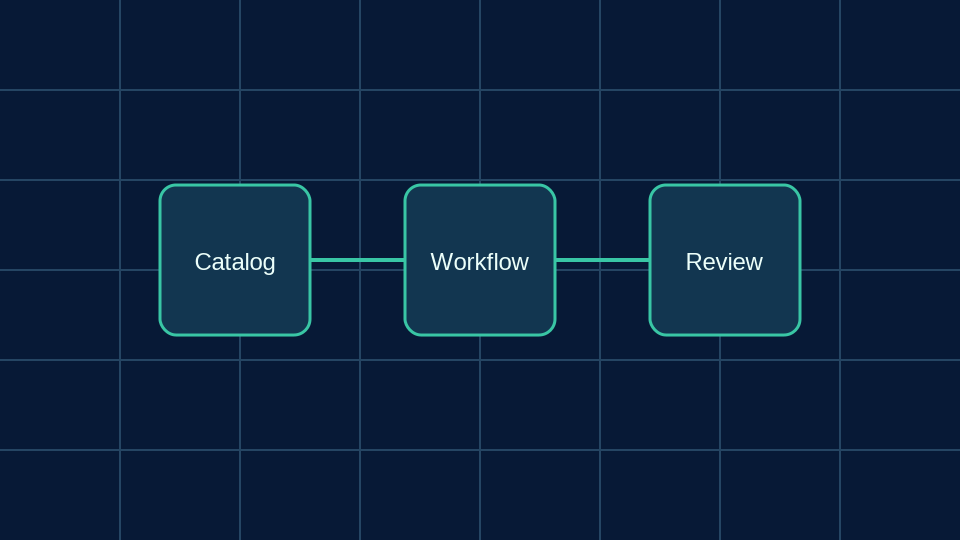
Managing an online catalog involves many small decisions. A shared source of product information and a repeatable review process can make those decisions easier to coordinate.
Start with your product information
Keep an organized record of each product’s identifier, title, specifications, variants and approved images. Review incomplete fields before creating or updating listings.
Make updates traceable
Record what changed, who approved it and when it was submitted. A simple shared change log can help your team avoid conflicting catalog edits.
Make responsibilities clear
Assign an owner for inventory information, pricing decisions and listing corrections. Keep physical fulfilment responsibilities separate from digital account management so that requests reach the right person.
Agree how issues are escalated
Document how your team handles an inactive listing, a catalog error or an account notification. Store relevant support case references in an accessible location.
Build a review rhythm
Set a regular time to review pending changes, account notifications, returns and catalog issues. Use the review to identify the next practical action, rather than collecting figures without a clear purpose.
Common questions
Do I need a CRM to start?
Not necessarily. Start with a clear process and an organized record. Consider a CRM when your lead or customer workflows need shared ownership and systematic follow-up.
Does better catalog organization guarantee more sales?
No. Organization supports clearer information and more consistent operations. Sales also depend on demand, competition, pricing and many other factors.
Related reading
More guides are being prepared. In the meantime, explore our product listing services and business automation solutions.